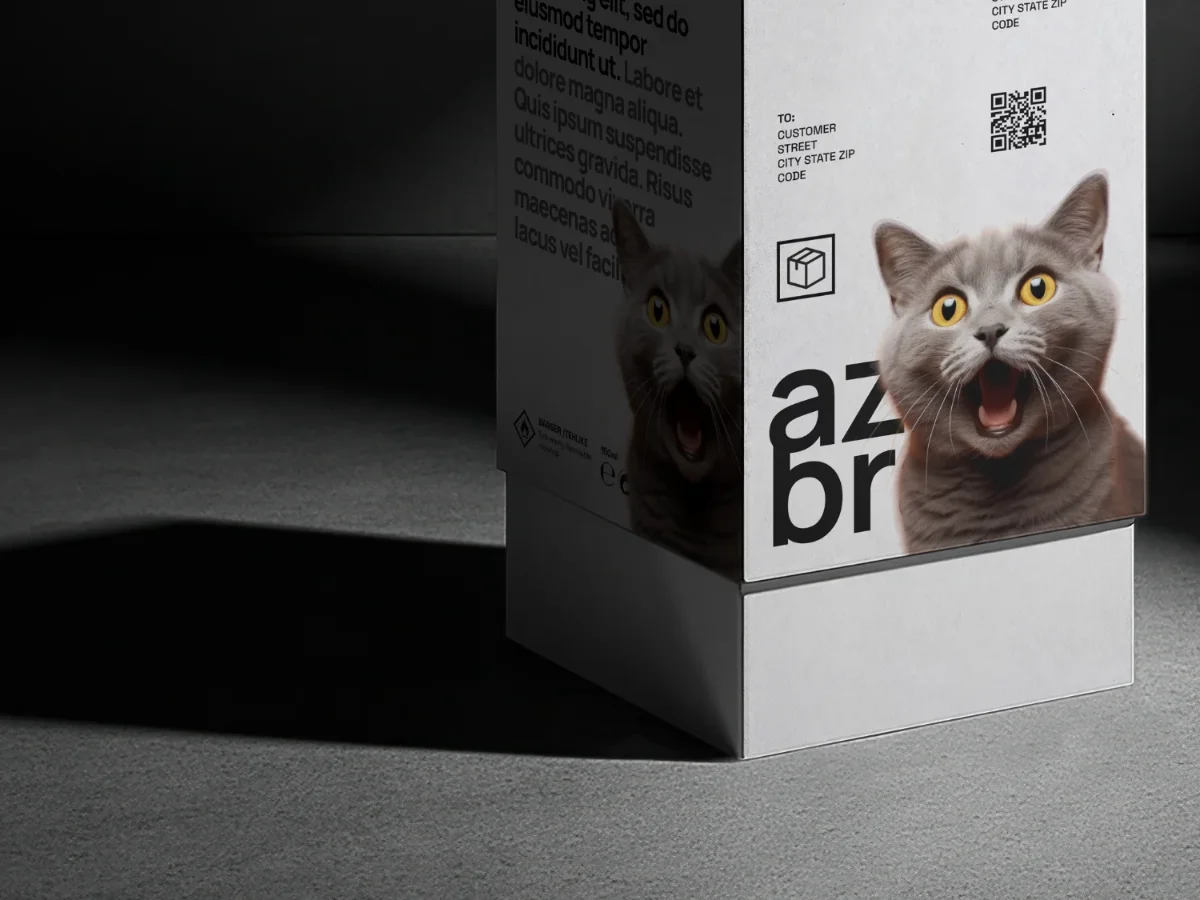
Why 'AI slop' is a craft problem — and how we solve it
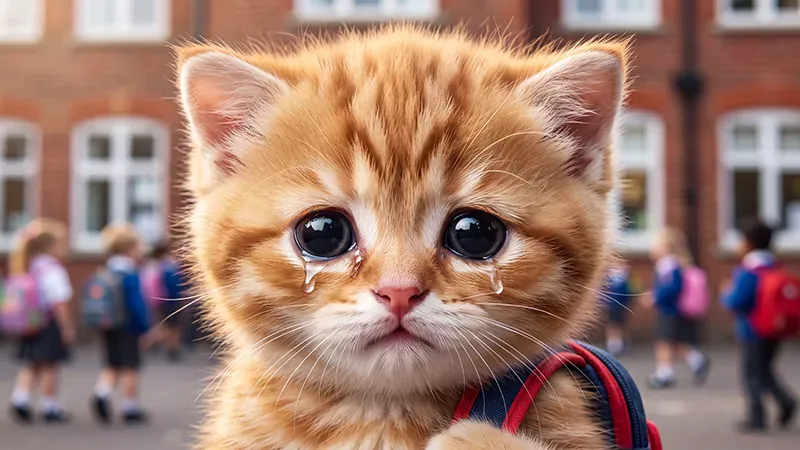
AI slop isn't a tools problem — it's a craft problem. Here's how we keep judgment, taste, and direction at the center of generative production.
"AI slop" has become the internet's shorthand for generative work that is technically functional and creatively dead — plausible, forgettable, and everywhere. It is easy to blame the tools. We think that is the wrong diagnosis.
Slop is a decision, not a default
The models did not lower the bar; they removed the friction that used to hide a missing point of view. When anyone can generate a thousand competent images before lunch, the scarce ingredient is no longer production capacity — it is judgment. Slop is what you get when nobody at the table is accountable for taste.
Craft is the constraint that makes it good
Every piece of work we ship passes through a human who owns the intent: what is this for, who is it speaking to, and what would make it undeniable. Prompts are drafts. Direction is the deliverable. We treat generative tools the way a studio treats a camera — powerful, neutral, and useless without someone deciding where to point it.
How we solve it in practice
We build a reference spine before we generate a single frame: tone, palette, motion language, and the non-negotiables of the brand. Then we orchestrate the models against that spine, review against it, and cut anything that is merely acceptable. The result is work that could only have come from this brief, this team, and this moment — the opposite of slop.
Craft did not disappear when the tools got faster. It just became the whole job.